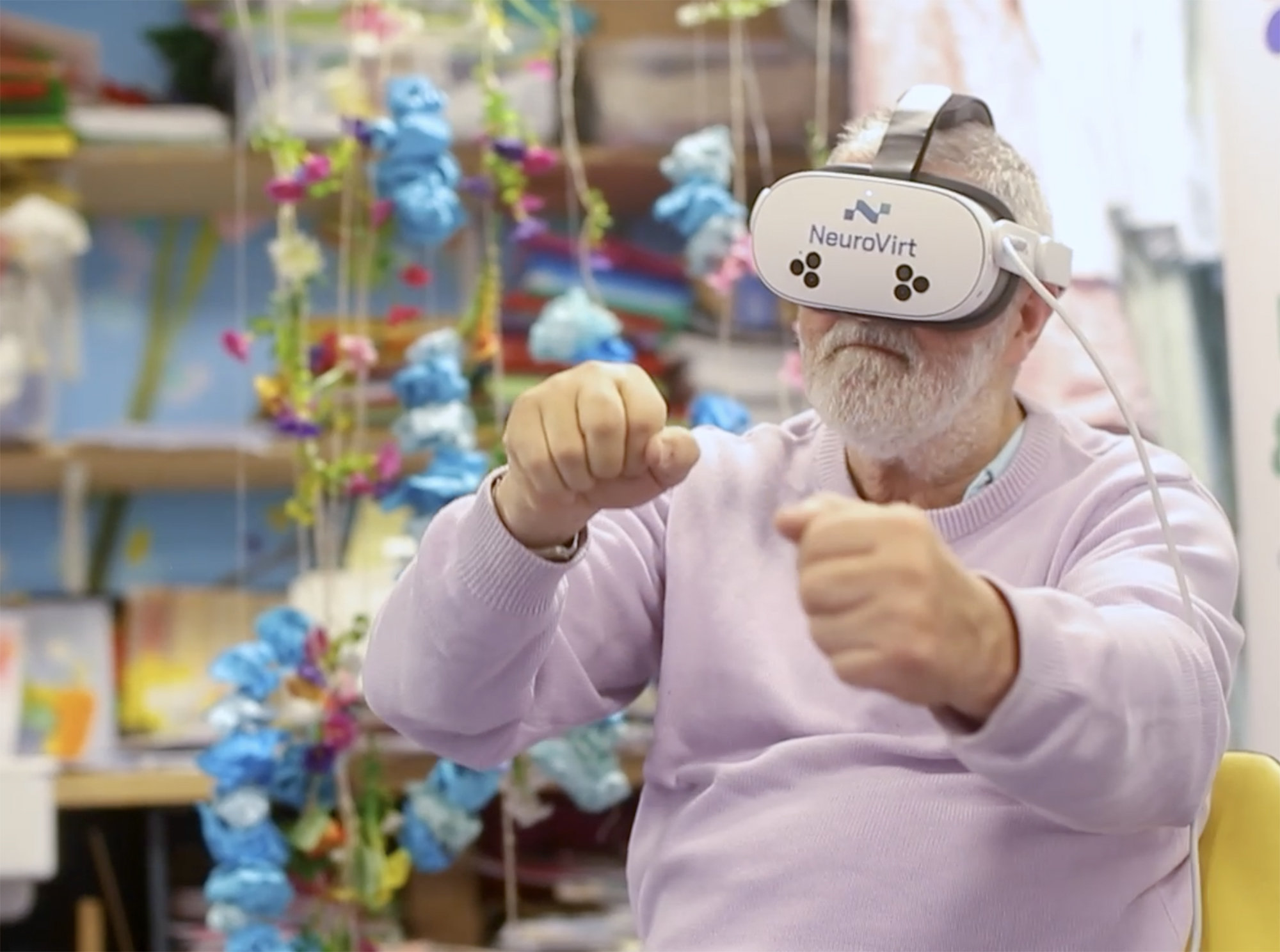
In 2023, the American Medical Association introduced CPT code 0770T, a Category III procedure code that specifically recognizes the use of mixed reality technology to assist therapy. This is more than a billing footnote, it’s a major milestone in how mixed reality-enhanced rehabilitation is seen within the US healthcare system.
Unlike traditional therapeutic CPT codes that describe exercises and manual interventions, 0770T lets providers document when mixed reality technology is integrated into a therapy session. Code 0770T is an add-on code, meaning it is used in addition to an existing therapy code, such as Therapeutic Exercises (97110), Neuromuscular Re-Education (97112) and Gait Training (97116).Technically, what 0770T represents isn’t additional therapist time or a standalone treatment. It describes the practice expense associated with the mixed reality technology itself, including the software, hardware use, supplies, and any technician support that makes the session possible, thus giving clinics a way to bill for mixed reality as part of routine therapy, rather than having it treated as an experimental add-on with no billing path.
Adoption is Now a Question of When, Not If
The presence of an official CPT code - even a temporary Category III code - signals a shift in how payers and providers view mixed reality in therapy. Category III codes are designed to track emerging technologies and help collect utilization data, but their very inclusion means:mixed reality tools are no longer considered fringe technology; they are increasingly recognized as part of mainstream therapeutic practice and documentation. Clinics and health systems now have a standardized way to articulate the use of mixed reality in claims, bringing clarity and consistency to billing. This also gives insurers a clear framework to discuss coverage, rather than dismissing mixed reality as “unclassified” or experimental. For healthcare decision-makers, this shift enables meaningful measurement of utilization, outcomes, and cost data linked directly to mixed reality adoption, supporting more informed decisions about long-term integration into care pathways.In short, CPT 0770T puts mixed reality rehabilitation on the industry map. Even though coverage will vary by payer and region, having a recognized code removes one of the biggest historical barriers to adoption, which was uncertainty about how to bill for technology-assisted therapy.
What 0770T Means for Clinics and Patients
Because CPT 0770T must be billed alongside a primary therapy code, it reinforces a critical point: mixed reality is an augment to clinical care, not a replacement. Payers that accept the code are essentially acknowledging that technology can enhance established therapeutic interventions, rather than replace them. From a patient perspective, that’s encouraging. It means patients have a clearer path to accessing mixed reality-enabled rehab as part of standard therapy rather than something experimental or out-of-pocket. That in turn helps clinicians feel more confident recommending mixed reality tools and health systems feel more comfortable investing in them.
Where NeuroVirt Fits in the US Mixed Reality Rehabilitation Landscape
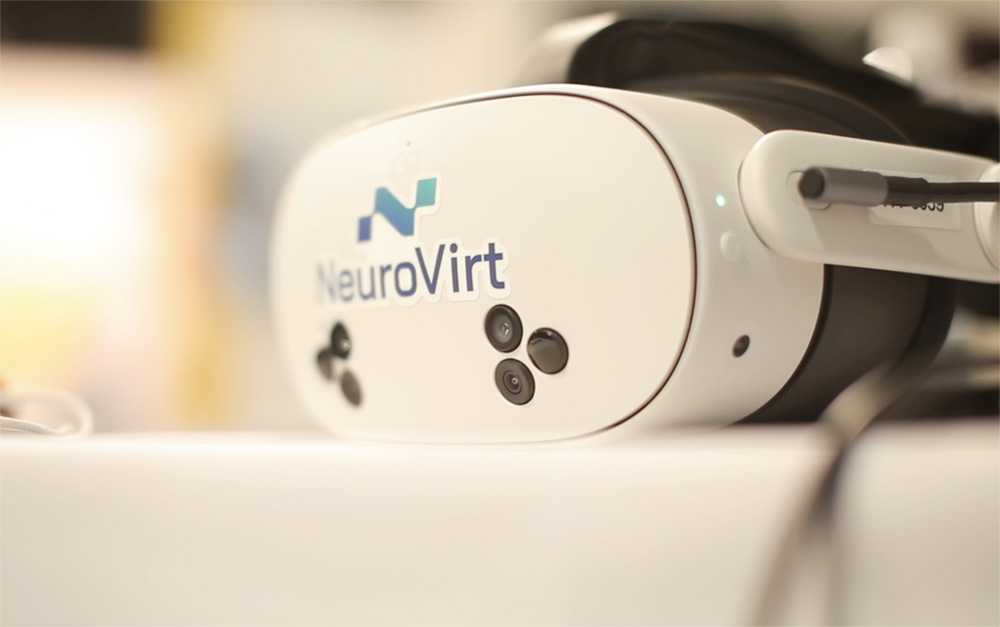
As more clinics consider mixed reality technology, choice matters. Not all platforms are created equal, and not all were developed with clinicians and patients involved from the start. NeuroVirt stands out for several important reasons:NeuroVirt has been co-designed in close collaboration with both patients and clinicians, ensuring that our use of mixed reality is grounded in evidence-based practice.We place strong emphasis on real-time feedback and movement quality, so mixed reality is integrated into the therapy session as a valuable clinical tool. Our platform is also built to support documentation and informed clinical decision-making, aligning well with the reporting requirements associated with CPT code 0770T.Because 0770T recognizes the practice expense of the technology itself, NeuroVirt’s clinically driven design helps clinics clearly articulate the value of adopting mixed reality-enhanced rehabilitation within existing care pathways.The emergence of CPT code 0770T doesn’t just open the door for mixed reality reimbursement; it invites mixed reality solutions that are clinically grounded, measurable, and sustainable. That aligns with NeuroVirt’s core mission: to move mixed reality rehabilitation from demonstrably beneficial to widespread standard practice.
Looking Ahead
CPT 0770T is a clear indication of a broader shift in US healthcare. What was once seen as experimental is now being documented, tracked, and reimbursed in a standardized way. As the evidence base grows and reimbursement pathways mature, mixed reality-assisted therapy will increasingly become part of routine rehabilitation care. For providers evaluating how best to adopt this technology, options like NeuroVirt - built with clinicians and patients in mind - will be positioned to support meaningful outcomes in a landscape where adoption is no longer a question of if, but when.