NeuroVirt transforms stroke and neurorehabilitation through evidence-based mixed reality therapy. Designed for clinical and home settings, our system targets upper and lower limb recovery with gamified, measurable, and adaptive experiences - helping clinicians deliver high-quality care more efficiently.

Neuroplasticity
NeuroVirt is built on the principles of neuroplasticity — the brain’s ability to rewire through focused, repetitive movement. By transforming therapy into interactive mixed reality experiences, patients stay engaged for longer and achieve the high repetition needed to drive lasting functional recovery.
Mixed Reality
Our mixed reality environments bring therapy to life. Designed with clinicians and patients, they create safe, immersive spaces that replicate real-world movement and tasks — enhancing motivation, accuracy, and confidence throughout the rehabilitation journey.

Instant Asessments
With every session, NeuroVirt captures detailed motion data to deliver objective insights in seconds. Clinicians can instantly review progress, track outcomes, and make data-informed adjustments — replacing manual assessments with continuous, automated precision.

Scalability
From hospitals to community clinics and at-home programs, NeuroVirt scales seamlessly across care settings. Our adaptable platform supports more patients with fewer resources, helping services reduce waiting lists, free up clinician time, and improve access to effective rehabilitation.
The NeuroVirt WebApp gives clinicians a powerful dashboard to monitor patient progress, review performance data, and adapt therapy plans in real time. Every session is automatically recorded, providing detailed metrics on movement quality, range, and engagement. Clinicians can track outcomes across individuals or cohorts, generate reports instantly, and identify trends that support more efficient, data-driven decision-making. Designed to integrate seamlessly into existing workflows, the WebApp enhances oversight, saves time, and strengthens the link between in-session performance and long-term recovery outcomes.
Boxing Game
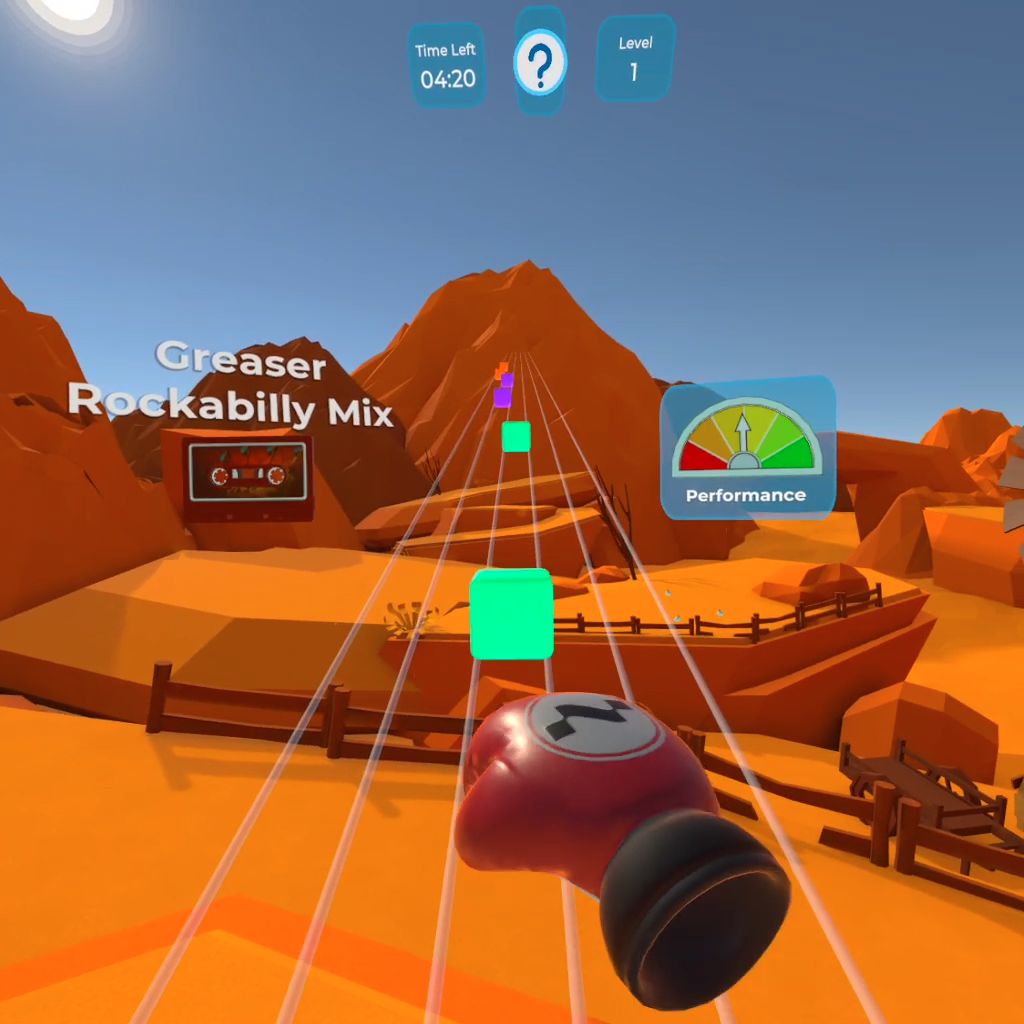
Encourages upper limb gross motor control
Saw Game
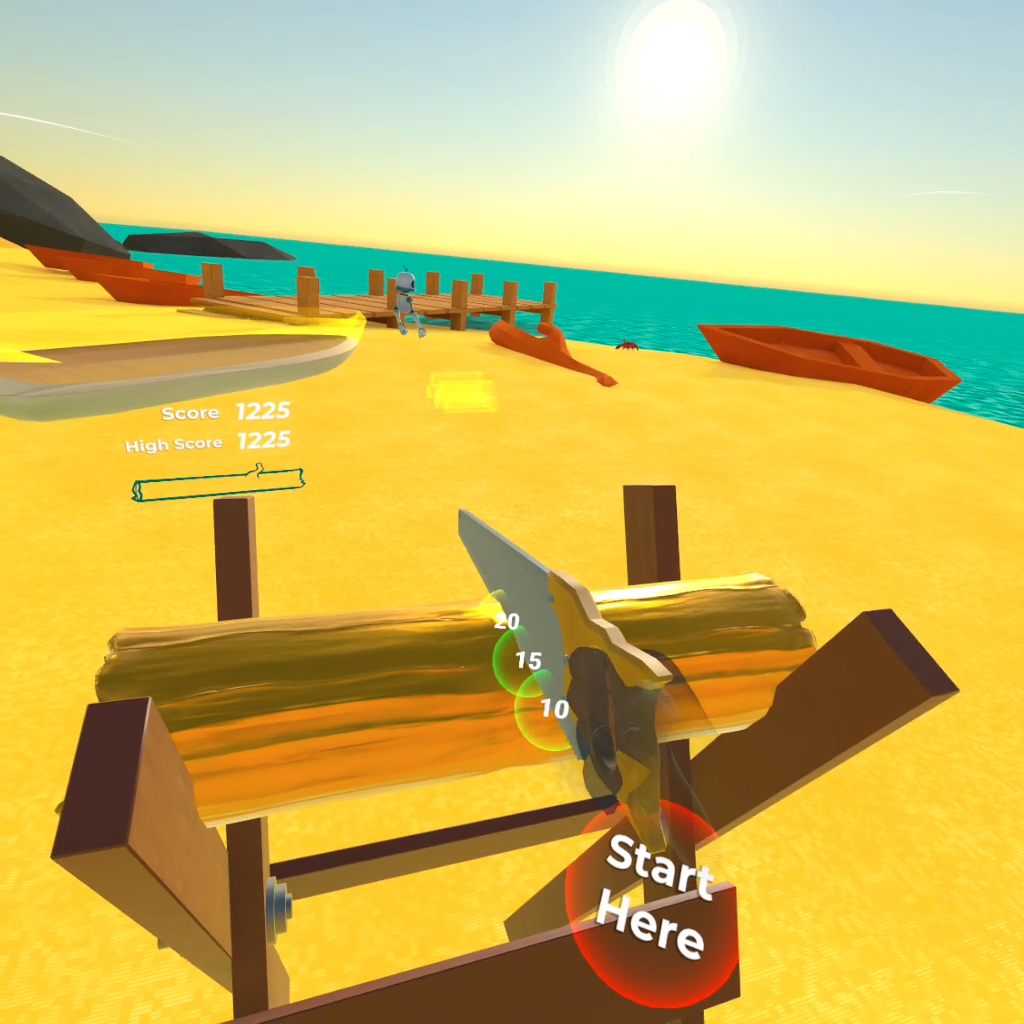
Promotes forward reaching and shoulder-elbow movement
Butterfly Catching Game
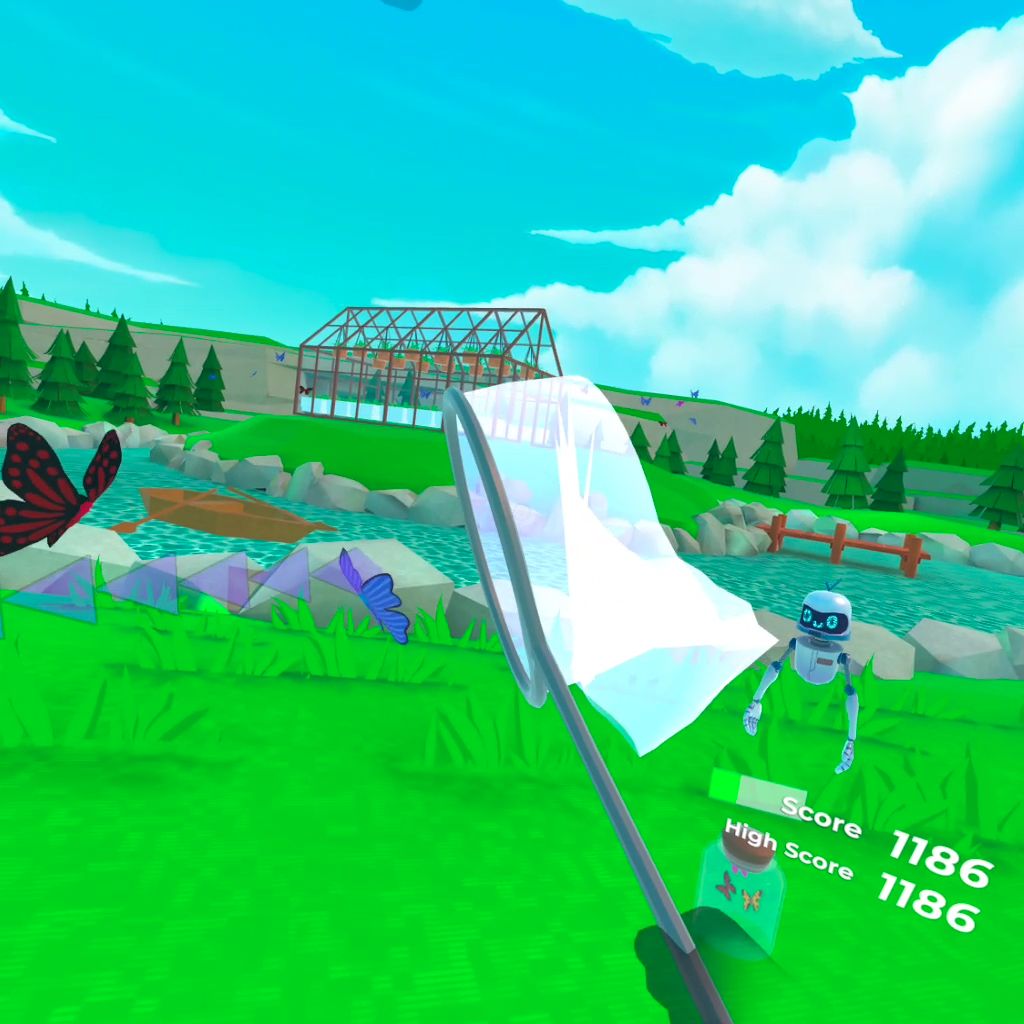
Promotes shoulder flexion, extension, and reaching
Buzz Game
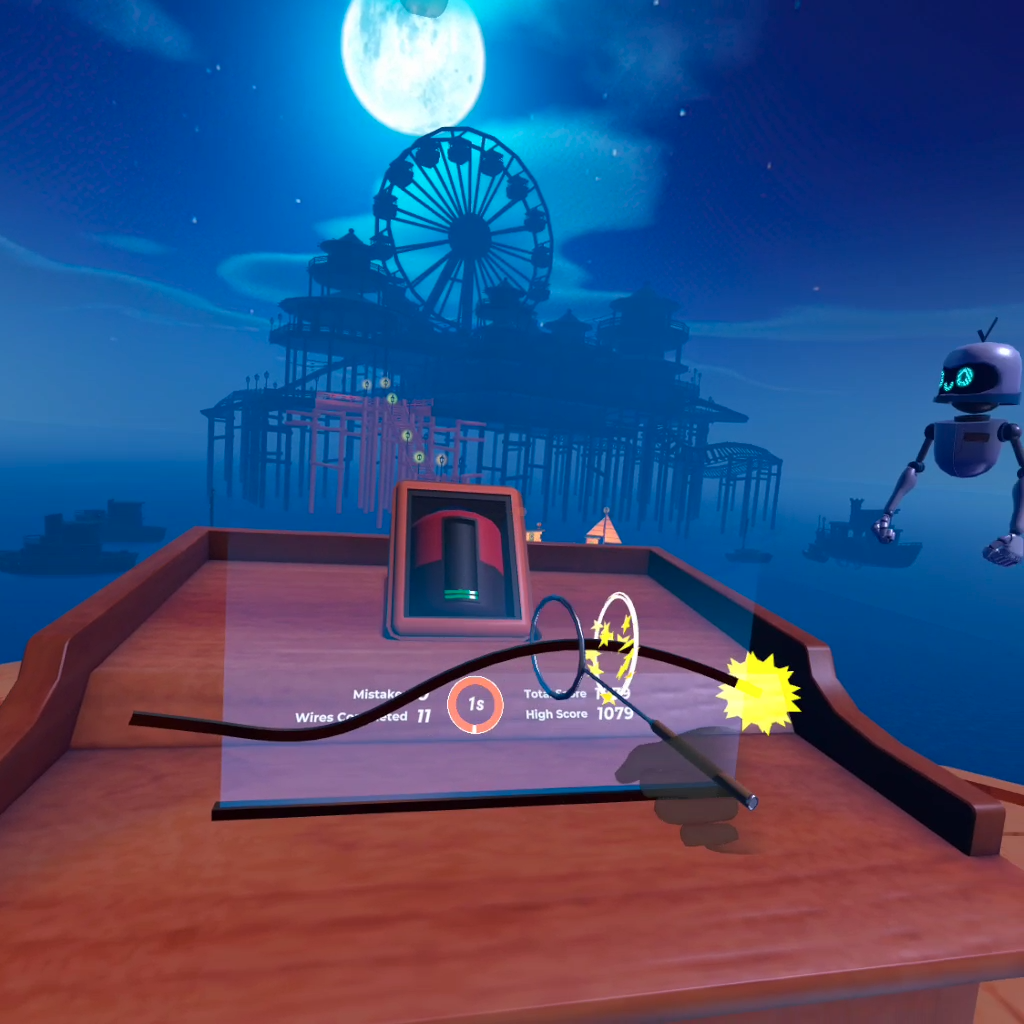
Trains mid-range arm control and shoulder movement
Maze Game
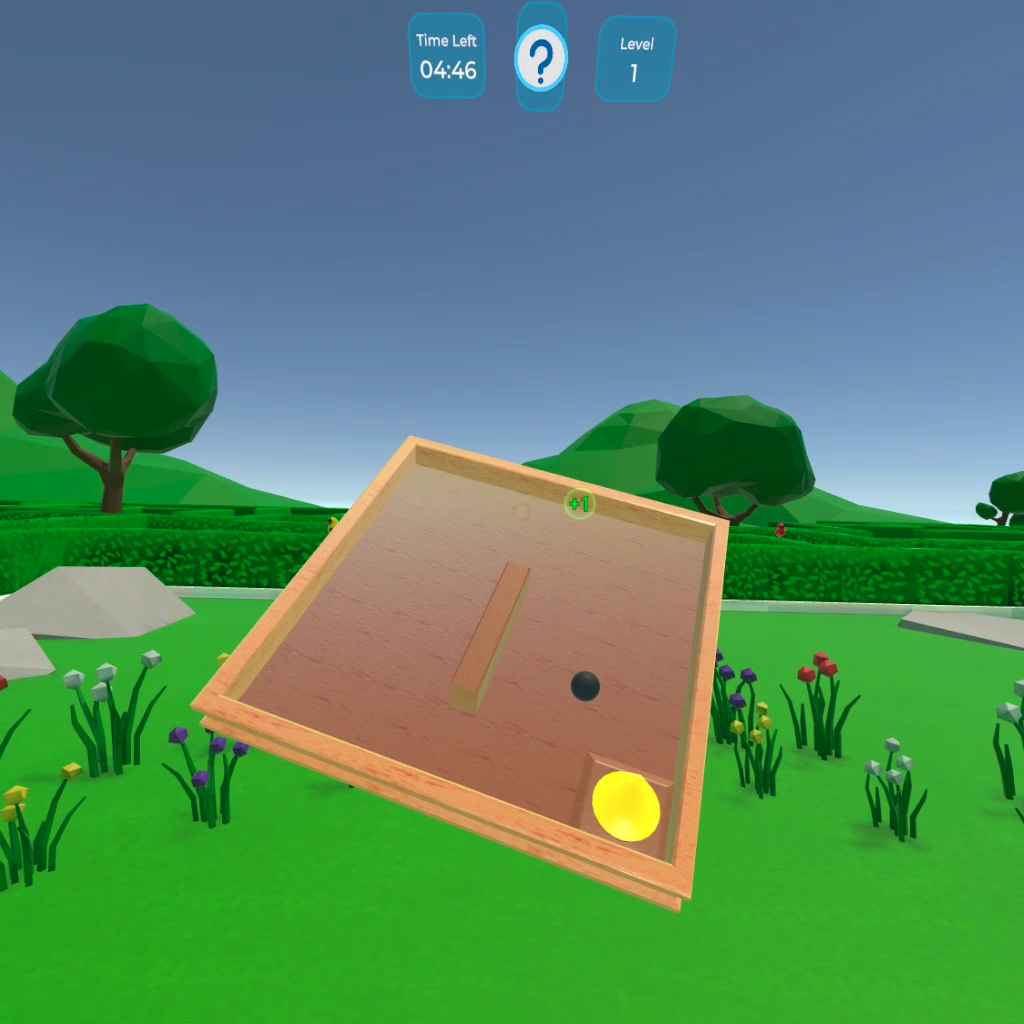
Promotes wrist and forearm movement and control
Shooting Game
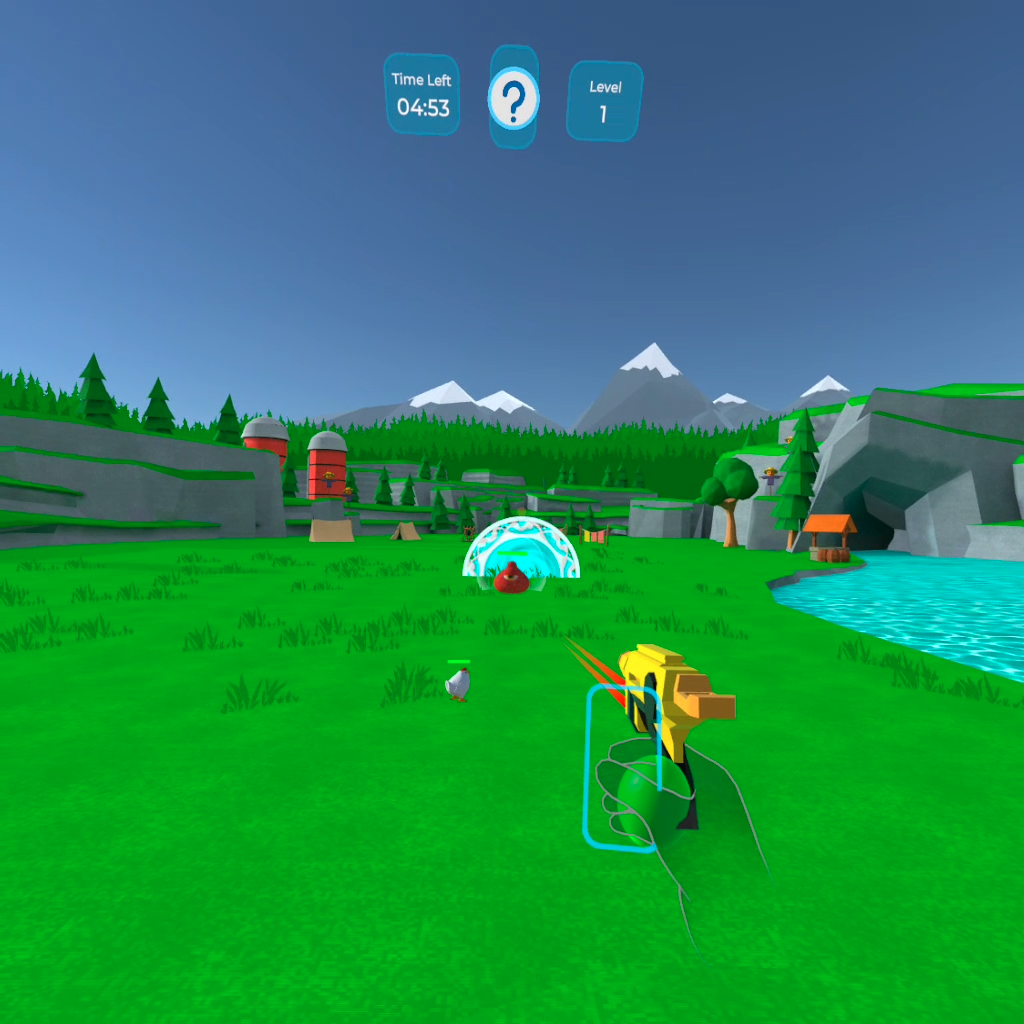
Develops grip strength and hand activation
Music Game
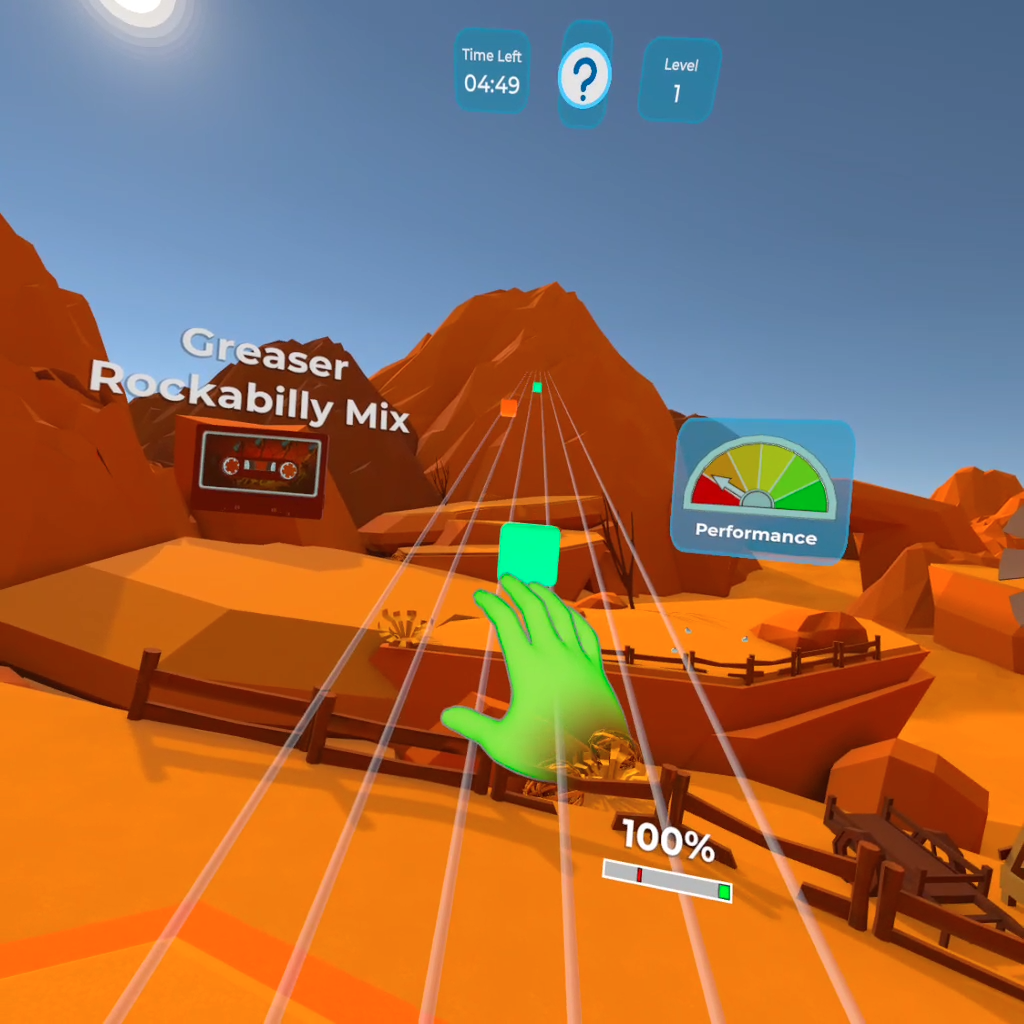
Promotes finger mobility and motor timing
Cooking Game
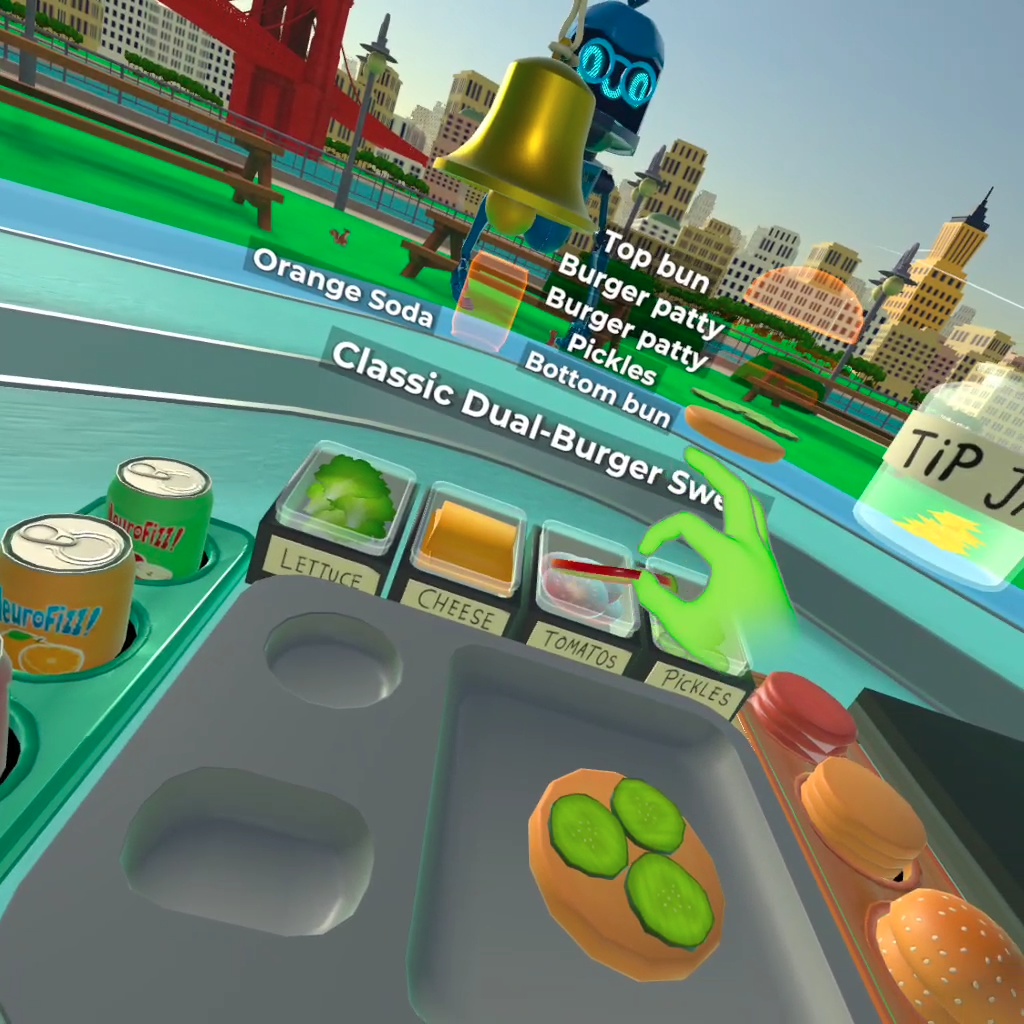
Refines fine motor control and grip use
Cycling Game
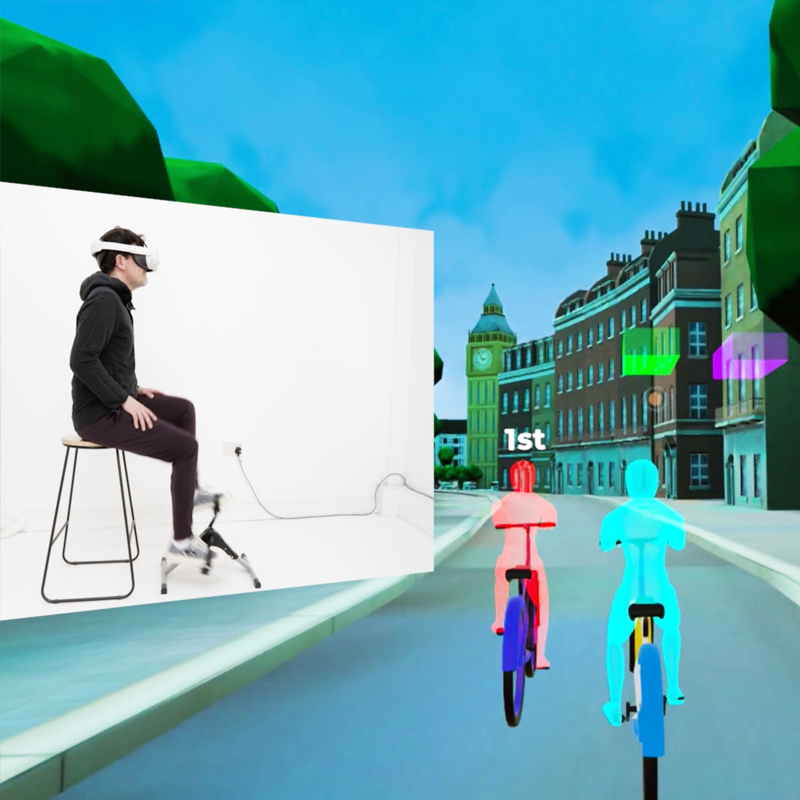
Builds lower limb strength and rhythmic movement
Dancing Game
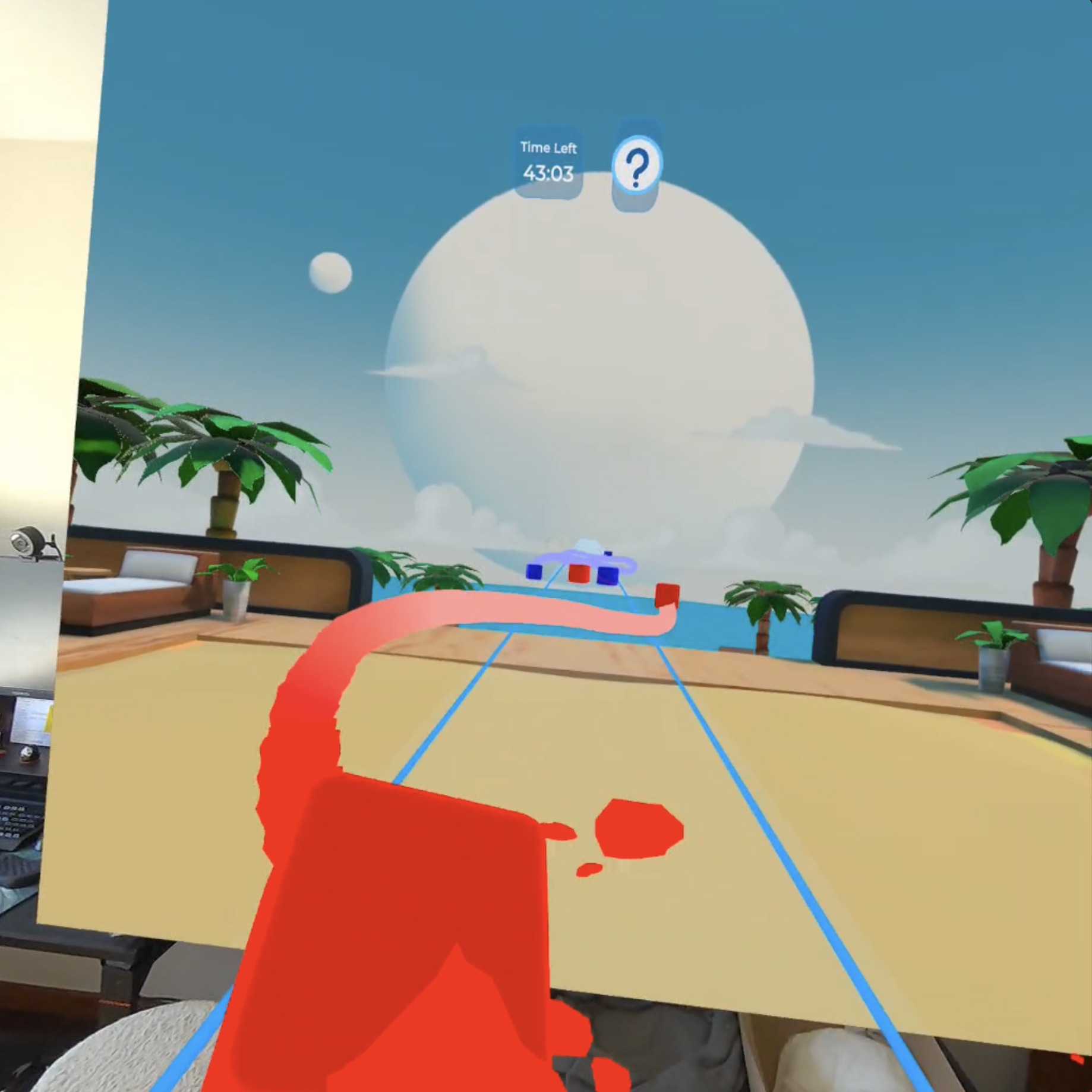
Promotes balance, stepping, squatting, and control
Painting Game
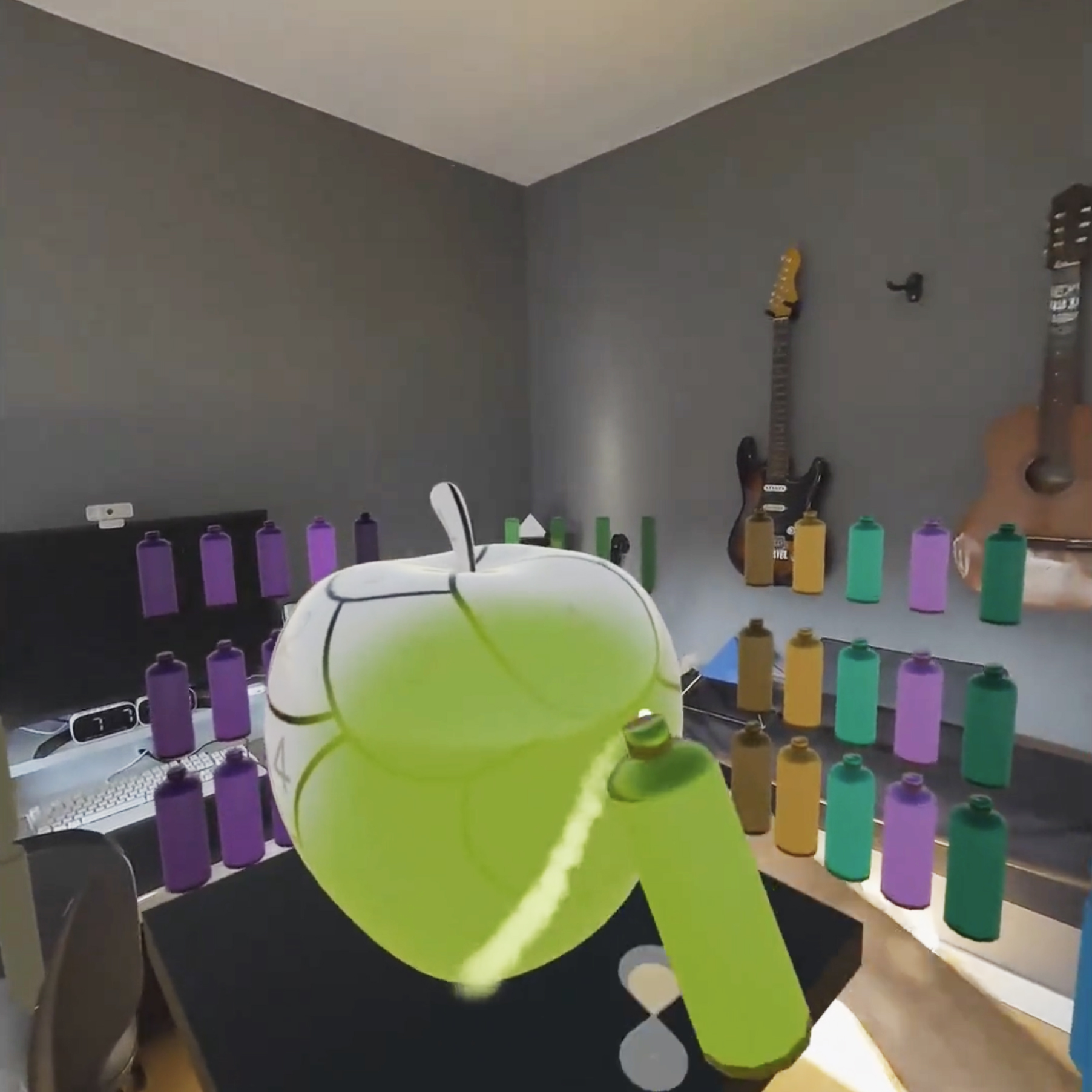
Promotes lower limb movement during standing tasks


